When building or renovating a home, every material choice plays a crucial role. The wood you select, the insulation you install, the paint you apply, and even the windows you choose don’t just affect the design and function of your home—they also impact your comfort, long-term costs, indoor air quality, and the environment.
In the past, the construction industry often prioritized convenience and low upfront costs. Today, that mindset has shifted. Homeowners, builders, and designers are making eco-conscious decisions that protect the planet while creating healthier, more durable, and more valuable homes.
Sustainable Building Materials in Alberta: What Actually Matters
In Alberta, sustainability isn’t just about choosing “green” products—it’s about how materials perform through long heating seasons, freeze-thaw cycles, dry winter air, and big temperature swings. For custom and acreage homes especially, long-term performance matters. The most sustainable home is the one that stays comfortable, efficient, and resilient for decades.
At Thomas Built Homes, material selection is driven by a practical question: What will perform well here, over time, with minimal waste and minimal maintenance? When the building envelope is designed properly and paired with healthy, durable materials, sustainability becomes a natural outcome of good building practices.
Sustainable material choices are just one aspect of custom home building in Alberta, alongside budgeting, planning, design, and long-term performance.
Reducing Environmental Footprint in Home Building
Construction contributes significantly to global emissions. Traditional materials can require large amounts of energy to produce, transport, and install. Choosing alternatives—and choosing them wisely—can reduce environmental impact while improving performance.
- Recycled steel reduces mining demand and often requires less energy than producing new steel.
- Bamboo regenerates quickly, making it one of the fastest renewable resources available.
- Reclaimed wood lowers demand for fresh timber while adding character and warmth to modern designs.
If you’re curious how we approach thoughtful material choices within custom design, you can learn more about our philosophy here: About Thomas Built Homes.
Enhancing Indoor Air Quality and Comfort
A sustainable home should support healthier everyday living. Many conventional paints, finishes, adhesives, and cabinetry products can release VOCs (volatile organic compounds) into the air. VOCs can contribute to headaches, allergies, and respiratory irritation, and they can linger long after a renovation is complete.
Choosing low-VOC and zero-VOC paints and finishes is one of the simplest upgrades homeowners can make to support better indoor air quality. Pair that with smart insulation choices and a well-designed building envelope, and the result is a home that feels cleaner, more consistent, and more comfortable year-round.
Why Building Envelope Decisions Matter More Than Finish Choices
If your goal is a truly sustainable home, the highest-impact decisions usually aren’t decorative finishes—they’re the choices that determine how efficiently your home uses energy over the next 20 to 40 years.
- Insulation + air sealing can dramatically reduce heating demands during Alberta winters.
- High-performance windows help prevent drafts, cold spots, and energy loss.
- A cohesive building envelope supports comfort, protects materials from moisture stress, and improves long-term durability.
Countertops and feature walls are fun, but a strong envelope is what makes a home perform. It’s also what keeps future upgrades smaller and less wasteful.
Long-Term Durability and Cost Benefits
Eco-friendly building materials are often more durable than traditional alternatives. While some upgrades cost more upfront, the long-term savings through reduced maintenance and improved energy performance can be significant.
- Fiber cement siding is typically more durable than vinyl and often requires less maintenance.
- Triple-pane windows can reduce heating and cooling costs and improve comfort in colder climates.
- Metal roofing (often made with recycled content) can last decades longer than asphalt shingles.
In other words: sustainability can be a smart financial decision, not just a values-based one.
Recycled and Reclaimed Building Materials
Recycling and reusing materials is one of the most effective ways to reduce construction waste. Recycled steel, reclaimed wood, and recycled glass help keep usable materials out of landfills while reducing demand for new resource extraction.
Benefits of Using Recycled Steel, Glass, and Concrete
Recycled steel is a strong choice for framing, roofing, and structural reinforcement. From a sustainability standpoint, it supports reduced mining and can lower emissions compared to virgin steel production.
Recycled glass can be used for countertops, tiles, and some insulation products. It offers a modern look with a story behind it—great for homeowners who want design and sustainability to work together.
Recycled concrete aggregate (RCA) can replace gravel or aggregate in certain applications, supporting reduced demand for new cement production and minimizing landfill waste.
Reclaimed Wood for Rustic and Modern Styles
Reclaimed wood delivers both sustainability and strong design appeal. Salvaged from older buildings or structures, it often comes with rich texture and character you can’t replicate with new lumber.
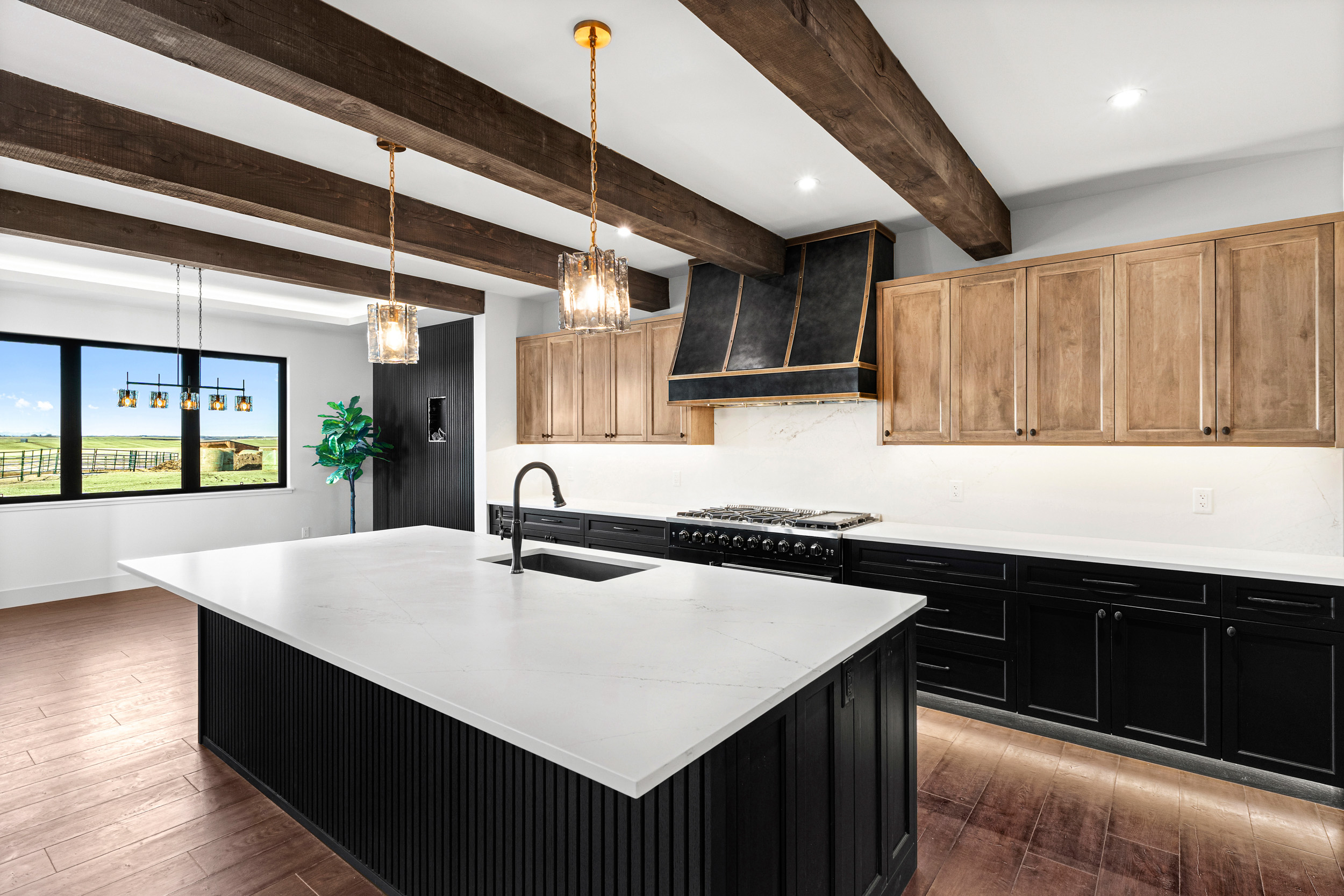
Builder insight: because reclaimed wood has already aged and dried, it can be more dimensionally stable than freshly cut lumber—especially valuable in climates with seasonal humidity swings. Used thoughtfully, reclaimed wood can be ideal for feature walls, ceiling beams, and accents that add warmth to modern spaces.
For examples of how natural materials can be integrated into custom design, explore our work here: Client Homes.
Cost-Effectiveness and Availability in Canada
Across Canada, reclaimed wood suppliers, recycled steel options, and recycled aggregate sources are increasingly accessible. Costs vary by region and availability, but many homeowners find the investment pays off through reduced maintenance, improved durability, and stronger resale appeal.
Low-VOC Paints and Finishes
Paint is more than a color choice—it directly affects the health and comfort of everyone living in your home. Traditional paints can contain VOCs that off-gas during and after application. These fumes can linger for weeks (and sometimes longer), contributing to poor indoor air quality.
Low-VOC and zero-VOC products are designed to minimize harmful emissions without sacrificing performance. Today’s eco-friendly paints and finishes offer:
- Vibrant colors and modern finish options
- Durable performance that resists fading and staining
- Less odor and faster “move-in comfort” after painting
Health Benefits of Reducing Chemical Exposure
Reducing VOC exposure supports healthier breathing conditions and is often especially important for families with children, seniors, or anyone with sensitivities.
Eco-Friendly Paint Options
- Plant-based paints using natural oils and resins
- Mineral paints with clay, chalk, or lime for durability
- Water-based paints designed to reduce toxins and dry quickly
Sustainable Wood and Alternatives
Wood is a cornerstone of home construction—strong, versatile, and naturally beautiful. But sustainability depends on responsible sourcing and smart product selection.
FSC-Certified Lumber and Why It Matters
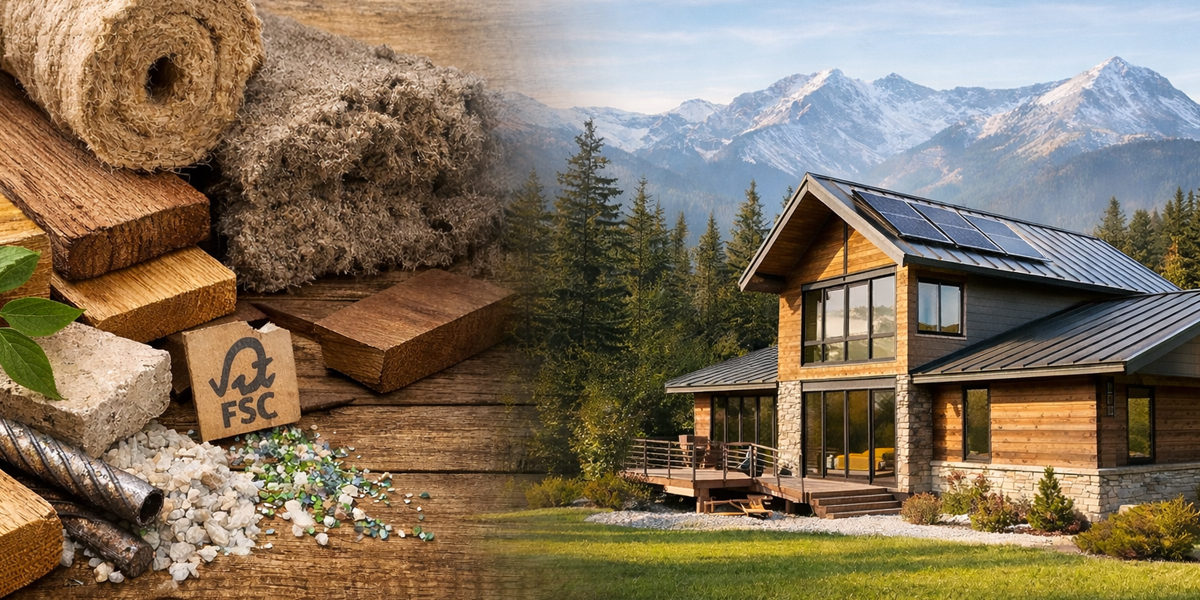
Look for the FSC (Forest Stewardship Council) label. FSC-certified wood supports responsible forest management practices, protects biodiversity, and helps ensure ethical treatment of workers.
Engineered Wood Products with Lower Environmental Impact
Engineered wood products like CLT (cross-laminated timber) and LVL (laminated veneer lumber) can maximize the use of smaller logs and wood byproducts, offering excellent structural performance with reduced pressure on old-growth forests.
Bamboo and Cork as Renewable Options
- Bamboo regenerates quickly and works well for flooring and cabinetry.
- Cork is harvested from bark without cutting the tree down. It’s resilient, moisture-resistant, and naturally insulating.
Green Insulation Choices
Insulation is one of the highest-impact sustainability decisions you can make. A well-insulated home maintains steadier indoor temperatures, reduces heating demand, and supports long-term energy efficiency.
Recycled Denim and Cellulose Insulation
- Recycled denim is non-toxic and offers strong sound absorption.
- Cellulose is made largely from recycled paper and has one of the highest recycled-content percentages in building materials.
Spray Foam Alternatives for Eco-Conscious Homes
Traditional spray foams can have environmental drawbacks. Plant-based alternatives are emerging that aim to deliver strong insulating performance with fewer harmful emissions.
Insulation’s Role in Energy Efficiency
Insulation works best as part of a complete building envelope strategy. Paired with quality windows and thoughtful air sealing, it helps reduce utility bills and supports a more comfortable home in every season.
Energy-Efficient Windows and Doors
Windows and doors play a major role in home efficiency and comfort—especially in colder Canadian climates.
Double-Pane vs. Triple-Pane Windows
Double-pane windows can be a strong choice for many builds. Triple-pane windows add another insulating layer and can be especially valuable for reducing drafts, cold spots, and heat loss during Alberta winters.
Low-E Coatings for Temperature Control
Low-emissivity (Low-E) coatings can help reflect heat into the home in winter and reduce excess heat gain in summer, supporting consistent comfort and reduced HVAC demand.
Sustainable Framing Materials for Windows and Doors
- Recycled aluminum (highly recyclable and strong)
- Fiberglass (durable, low-maintenance, energy efficient)
- Sustainably sourced wood (naturally insulating and timeless)
Integrating Sustainable Materials into Custom Home Design
The real opportunity isn’t choosing one eco-friendly product—it’s selecting materials that work together as part of a cohesive plan. A sustainable custom home balances design, climate performance, budget, and long-term durability.
Balancing Cost, Availability, and Eco-Friendliness
Not every “green” product is practical everywhere. Shipping-heavy materials can reduce the sustainability benefit, and some upgrades offer bigger returns than others. In many cases, a smart approach is combining locally available recycled materials with high-impact performance decisions like insulation, air sealing, and energy-efficient windows.
Working with Builders Who Understand Green Performance
Choosing sustainable materials is easier when your builder understands how products perform over time in your climate. The right guidance helps avoid overpaying for low-impact upgrades and ensures sustainability decisions translate into real-world comfort, efficiency, and durability.
Creating a Modern Look with Eco-Friendly Products
Eco-friendly homes aren’t limited to rustic design. Modern trends embrace clean lines, minimalism, and natural textures. Recycled glass surfaces, bamboo or cork flooring, reclaimed wood accents, and high-performance windows can all support a sleek aesthetic while improving long-term performance.
Conclusion
Sustainable construction is about making choices that last—for the environment, your health, and your budget. From recycled steel and reclaimed wood to low-VOC paints, green insulation, and energy-efficient windows, today’s homeowners have more ways than ever to build responsibly.
In Alberta, the most sustainable home is one that performs for decades. When materials are chosen with climate, durability, and lifestyle in mind, sustainability becomes a natural outcome of good building practices—not just a checklist.
If you’re planning a custom home and want to explore material options that align with long-term performance and comfort, start here: Contact Thomas Built Homes.
FAQs
What eco-friendly materials are available for home building?
Popular eco-friendly materials include recycled steel, reclaimed wood, bamboo, cork, low-VOC paints, cellulose insulation, and energy-efficient windows.
Are sustainable building materials more expensive?
Some eco-friendly materials cost more upfront, but many reduce long-term expenses through energy savings, durability, and lower maintenance costs.
What are the benefits of using low-VOC paints?
Low-VOC paints improve indoor air quality, reduce exposure to harmful chemicals, and provide durable finishes in a wide range of colors.
How does green insulation improve sustainability?
Green insulation materials like recycled denim and cellulose reduce energy use, cut utility bills, and improve indoor comfort while minimizing environmental impact.
What sustainable materials perform best in Alberta’s climate?
In Alberta, high-impact choices often include strong insulation strategies, energy-efficient windows (often triple-pane), durable exterior materials, and low-VOC interior finishes—all selected with long heating seasons and freeze-thaw conditions in mind.