Building a custom home on your acreage should be one of the most rewarding experiences of your life. You're creating a space tailored to your family, your land, and your vision. But when mistakes when building a custom home stack up, that dream can turn into a source of stress, blown budgets, and regret.
Across Mountain View, Rocky View, and Foothills counties, we've seen first-time custom home builders fall into the same traps repeatedly. Many come to us mid-project, wondering why their timeline doubled or their budget ballooned. The good news? Nearly every mistake is avoidable if you know what to watch for. This guide walks you through the ten most common custom home planning mistakes we see in Central Alberta, why they happen, and how to fix them before you break ground.
Alberta Home Building Errors That Derail Projects Before They Start
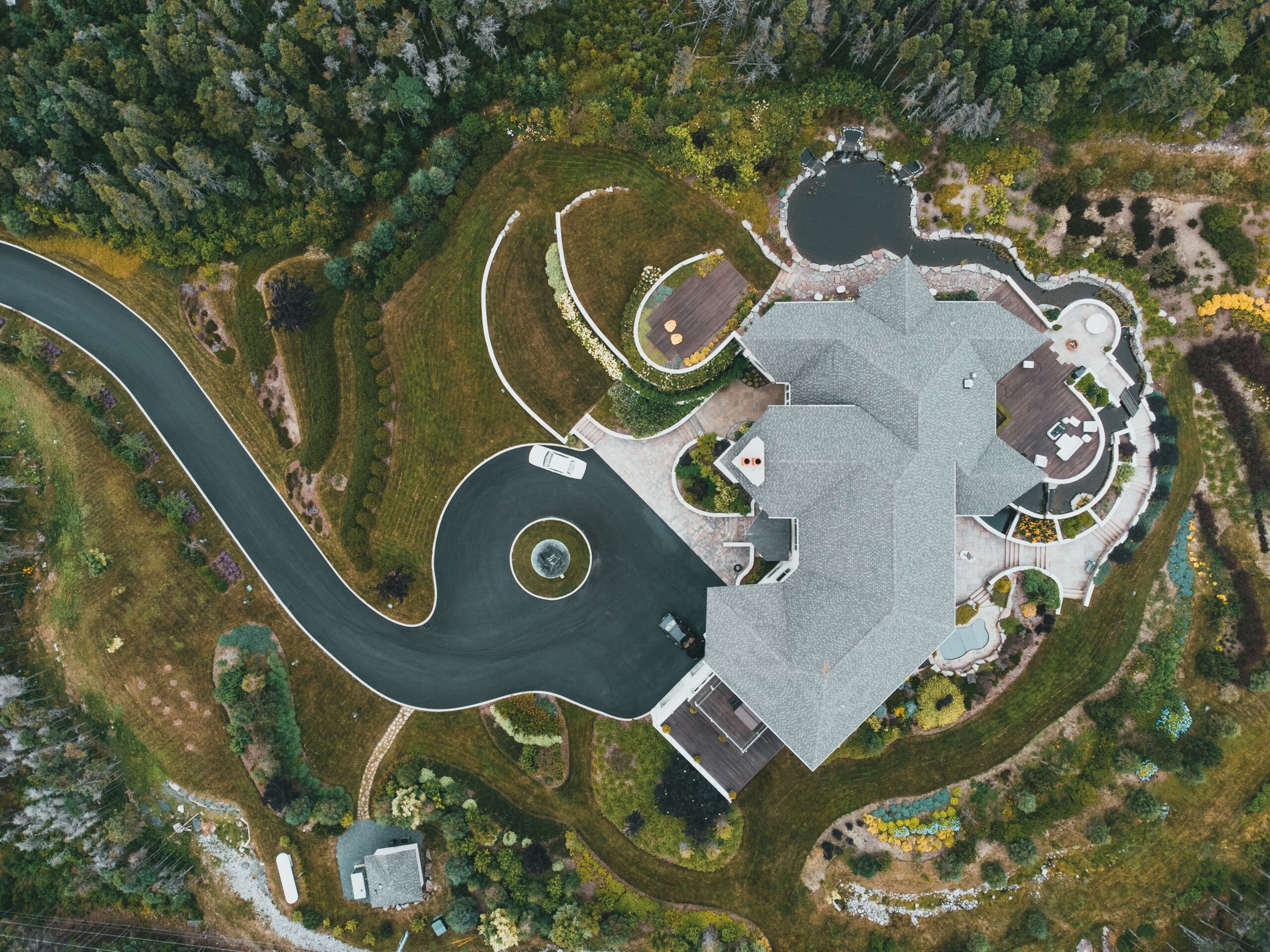
Most homeowners think mistakes happen during construction. In reality, the costliest errors occur months earlier, during planning and site prep.
Underestimating Site Preparation on Acreage Lots
You've walked your land a hundred times. It looks flat, the soil drains fine, and you've already picked the perfect spot for the house. Then the excavator arrives and discovers bedrock two feet down, or clay that requires engineered fill.
Site prep is the largest budget surprise on acreage builds. What looks like a straightforward excavation on the surface can hide complications that add weeks and significant cost. Bedrock removal, water table management, and fill importation are realities on rural Alberta lots, especially in Rocky View and Foothills counties.
The fix: Budget for a full site assessment before you finalize your design. A geotechnical report (which we'll discuss next) and a topographic survey give you hard data. Plan for drainage, septic placement, and utility runs early. If your lot has a slope, work with it instead of fighting it. Walkout basements and tiered foundations can save you thousands compared to massive cut-and-fill operations.
Skipping the Geotechnical Report
This one mistake can cost you more than every other item on this list combined. A geotechnical report tells you what's under your build site: soil composition, bearing capacity, frost depth, groundwater, and whether you'll need special foundations.
In Central Alberta, we deal with expansive clay soils, seasonal freeze-thaw cycles, and variable bedrock depth. Skipping the geo report means you're guessing. And when the foundation contractor hits unexpected conditions, you're looking at change orders that can run into five figures.
The fix: Commission a geotechnical report during your planning phase. It typically costs a fraction of what it saves. The report will specify foundation type, frost protection depth, and drainage requirements. Your builder and engineer use that data to design a foundation that won't crack, settle, or heave. It's not optional if you want your home to last.
Changing Plans Mid-Build
You're three months into construction and you realize the mudroom should be bigger, or you want to vault the ceiling in the great room. It feels like a small tweak. But every change during construction triggers a cascade: revised drawings, new permits, material reorders, subcontractor rescheduling, and timeline delays.
Change orders are the number one budget killer. They're also the number one source of frustration between homeowners and builders. Not because the changes are unreasonable, but because they happen after decisions were supposed to be locked.
The fix: Spend the time upfront. Walk through your floor plan a dozen times. Visualize your daily routines. Think about how you'll use each space in winter and summer. Custom Home Design Support can guide you through selections and layout decisions before construction starts, so you're confident in every choice. Once you break ground, treat the plan as final unless something is genuinely broken.
What to Avoid During Custom Build: Material and Design Pitfalls
Once construction begins, your material and design decisions determine how well your home performs in Alberta's climate and how much maintenance you'll face over the next twenty years.
Ignoring Alberta's Freeze-Thaw Cycle in Material Selection
Alberta doesn't have a typical winter. We have Chinooks, temperature swings of 30 degrees in 24 hours, and freeze-thaw cycles that destroy the wrong materials in a few seasons.
Cheap stucco cracks. Low-grade siding warps. Concrete without proper air entrainment spalls. Pavers without drainage heave. If your builder or architect is specifying materials without accounting for Central Alberta's climate, you'll pay for it in repairs.
The fix: Choose proven materials. building materials freeze-thaw resistance James Hardie fibre cement siding handles temperature swings without warping. Andersen windows are engineered for cold-climate performance. For exterior concrete, specify air-entrained mixes and proper curing. For masonry and stone, ensure water management details are built into the design. Your builder should be able to explain why each material works in this climate.
James Hardie fibre cement siding handles temperature swings without warping. Andersen windows are engineered for cold-climate performance.
Poor Lot Orientation for Solar Gain and Wind Protection
You can't change where the sun rises, but you can design your home to work with it. Orienting your home correctly on your lot determines how much natural light you get, how much your heating costs run, and whether your deck is usable in the evening.
In Central Alberta, prevailing winds come from the west and northwest. Position your main living spaces and windows to the south for passive solar gain in winter. Buffer the north and west sides with garages, mudrooms, and utility rooms. A poorly oriented home fights the climate instead of using it.
The fix: Before you finalize your floor plan, walk your lot at different times of day. Note where the sun is at breakfast, lunch, and dinner. Identify wind patterns. Design your home so the kitchen, great room, and primary bedroom get morning or afternoon light depending on your preference. Use deciduous trees on the south side for summer shade and winter sun. Evergreens on the north and west block wind. This isn't about aesthetics. It's about energy efficiency and livability. Custom Home Builds starts with site analysis for exactly this reason.
Inadequate Mudroom Planning for Rural Life
If you're building on an acreage, your mudroom is the hardest-working space in your home. It's where boots, coats, dog gear, firewood, and everything else from outside lands before it reaches your living space.
Many first-time builders treat the mudroom as an afterthought. They give it six feet of wall space and a couple of hooks. Then they move in and realize they need storage for four seasons of outerwear, a boot-drying system, and space to hose off a dog.
The fix: Plan for a real mudroom. Budget 80 to 120 square feet if you have the space. Include built-in benches, cubbies for each family member, a utility sink, tile or vinyl flooring that can handle water and mud, and radiant heat if your budget allows. Add a closet for seasonal gear. If you have kids or pets, double your storage estimate. This is one area where going bigger pays off every single day.
Underspeccing Insulation for Central Alberta Winters
Code-minimum insulation will keep your house legal. It won't keep it comfortable or affordable to heat when it's negative 30 outside.
Central Alberta winters are long and cold. Skimp on insulation and you'll feel it in every room. Your furnace will run constantly. You'll have cold spots near windows and exterior walls. Your energy bills will be double what they should be.
The fix: Go beyond code. Spec R-60 in the attic, R-24 or better in the walls, and R-40 under the slab if you're doing in-floor heat. Use spray foam in rim joists and around windows. Upgrade to triple-pane windows with low-E coatings. Yes, it costs more upfront. But the payback period is under ten years, and the comfort improvement is immediate. Builders who specialize in custom homes understand that rural homes need higher insulation specs because they're more exposed and often farther from natural gas lines.
Common Homeowner Mistakes in Timeline and Communication
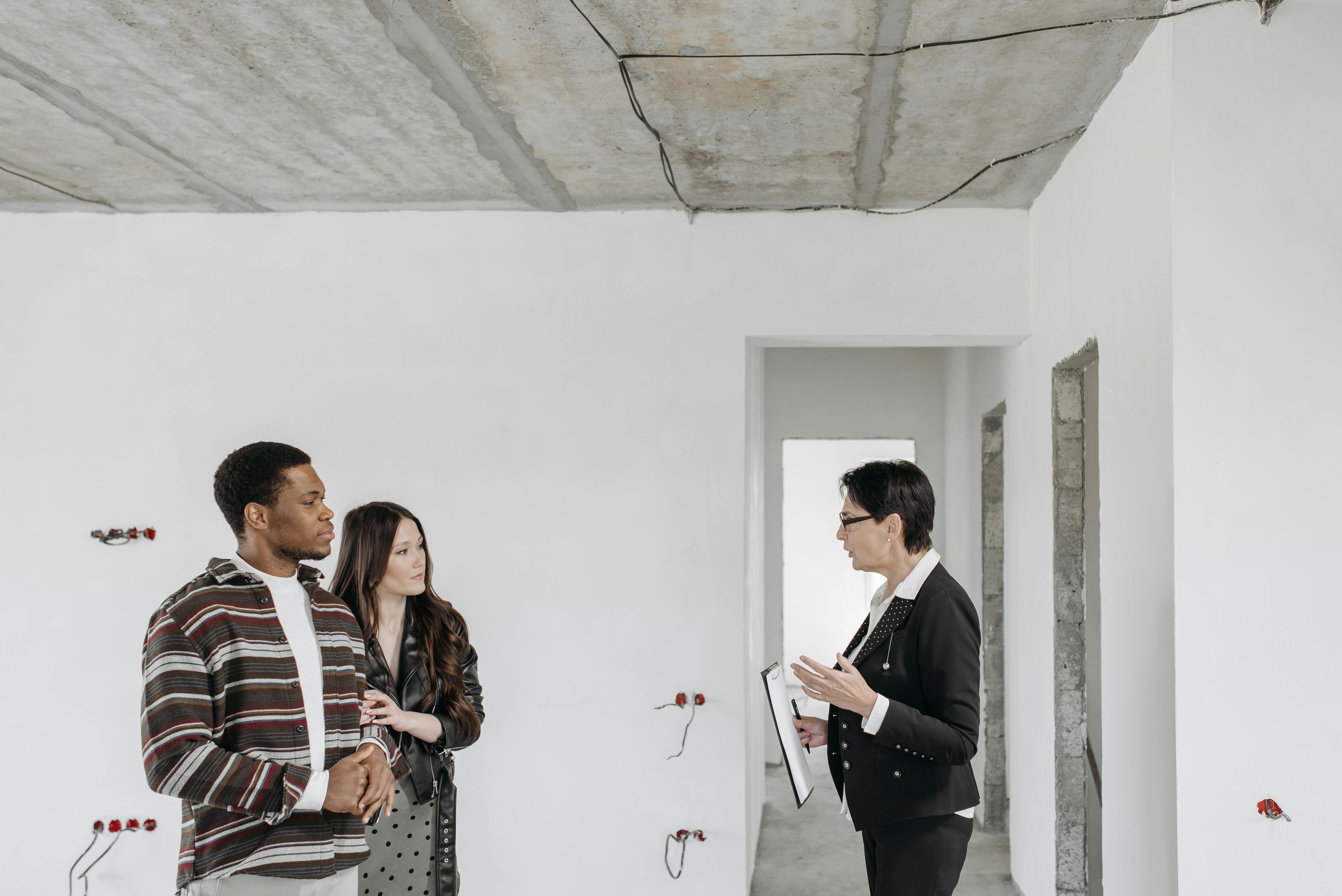
Even with perfect plans and materials, communication gaps and unrealistic expectations can turn a smooth build into a frustrating experience.
Unrealistic Timeline Expectations During Construction Season
You want to break ground in May and move in by Christmas. Your builder says fourteen months. You think they're padding the schedule.
Here's the reality: custom homes in Alberta take nine to fourteen months under good conditions. Permit approval alone can take four to eight weeks. If you're building in a county with septic and well requirements, add more time. Weather delays happen. Material lead times stretch. Trades get booked out weeks in advance during peak season.
Rushing the timeline doesn't make the house better. It makes mistakes more likely.
The fix: Plan for the longest estimate, not the shortest. If your builder says twelve months, budget fourteen. That buffer absorbs delays without stress. Understand that construction season in Central Alberta runs May through October. If you want to pour a foundation in November, expect weather delays. If you need the house done by a specific date (school year, lease expiration), communicate that at the start and build in contingency time.
Lack of Communication Between Homeowner and Builder
Most homeowner-builder conflicts come down to one thing: expectations that were never clearly communicated. You assumed weekly updates. Your builder assumed you'd reach out when you had questions. You thought selections could wait. Your builder needed answers two weeks ago to keep the schedule on track.
The fix: Establish a communication cadence from day one. Weekly email updates. Biweekly site walks. A shared project management tool. Whatever works for both sides, make it explicit. Ask how decisions get escalated. Clarify who's responsible for what. If your builder says they need a decision by Friday, give it to them by Wednesday. Responsive communication is the single biggest factor in keeping a project on schedule and on budget. As Sean R. said after his build, 'We were impressed with the local trades from framers to tilers; the craftsmanship was excellent. The selections coordinator was amazing and at our call.'
Not Budgeting for Contingencies and Upgrades
You've built a detailed budget down to the last light fixture. Then you fall in love with a countertop that's 20 percent over budget. Or the soils report comes back and you need engineered fill. Or you decide you can't live without heated floors in the primary bath.
Contingency isn't a luxury. It's a necessity. Every custom build encounters at least one unplanned cost.
The fix: Budget 10 to 15 percent contingency on top of your contract price. That money covers surprises, upgrades, and the inevitable "while we're at it" decisions. If you don't spend it, great. Keep it for furniture and landscaping. But don't start a build with zero financial buffer. It turns every small issue into a crisis.
Choosing a Builder Based on Price Alone
The lowest bid feels like a win. Until you're three months into the build and the builder stops returning calls. Or the framing is out of square. Or you discover they subbed out to unlicensed trades.
Price matters. But it's not the only thing that matters. A builder's reputation, process, trade network, and communication style determine whether your build is a smooth experience or a nightmare.
The fix: Interview at least three builders. Ask for references and call them. Visit completed projects. Ask about their process, how they handle changes, and what happens when something goes wrong. Understand what's included in the bid and what's not. A slightly higher bid from a builder with decades of local experience, a strong trade network, and a track record of finishing on time and on budget is worth every dollar. About will show you the kind of roots and relationships that matter when you're building something this important.
Frequently Asked Questions
What is the most common mistake when building a custom home?
Changing plans mid-construction is the most common and costly mistake. Every change after groundbreaking triggers revised drawings, new permits, material reorders, and subcontractor delays. Lock your design and selections before you break ground, and treat the plan as final unless something is structurally wrong.
How can I avoid going over budget on my custom home build?
Budget 10 to 15 percent contingency, finalize all selections before construction starts, and communicate promptly when your builder needs decisions. Delayed decisions and mid-build changes are the two biggest budget killers. Work with a builder who provides transparent pricing and walks you through costs during the planning phase.
Do I really need a geotechnical report for my acreage build?
Yes. A geotechnical report identifies soil type, bearing capacity, groundwater, and foundation requirements. Skipping it means you're guessing, and unexpected soil conditions during excavation can add tens of thousands in change orders. The report costs a fraction of what it saves and ensures your foundation is engineered correctly for your site.
What should I look for when choosing a custom home builder in Alberta?
Look for local experience, a strong network of trades, transparent communication, and a process that includes planning, selections support, and post-build warranty. Ask for references, visit completed projects, and make sure the builder understands Alberta's climate, county permitting, and acreage-specific challenges like septic, wells, and site prep.
Work with a builder who helps you avoid these mistakes from day one. Thomas Built Homes has spent decades guiding Central Alberta families through the custom home process, from site assessment to final walkthrough. We know the counties, the climate, the trades, and the pitfalls. If you're ready to build your custom home the right way, contact to schedule a free consultation and start planning a project that stays on budget, on schedule, and exactly what you envisioned.